
Being left handed
Arwen uses comedy, exaggerated sketches and personal stories to explore the frustrations of being left handed in a world where many everyday products favour right-handed users.Her central point is that these tasks are usually not impossible for left-handed people, but repeated small inconveniences can become frustrating.
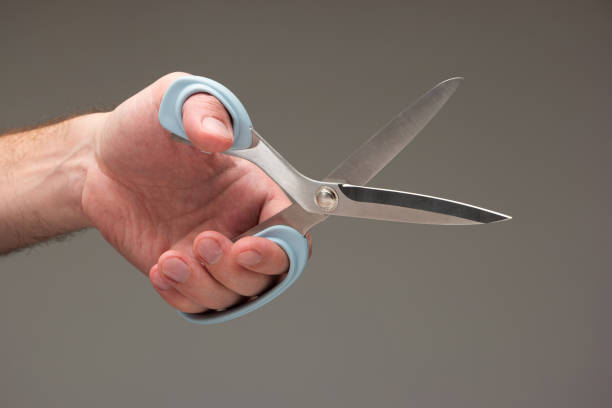
Scissors are the main recurring example. She describes struggling with ordinary scissors during kitchen tasks and childhood crafts, then experiencing a substantial improvement after receiving . She also acknowledges that adjusting to them can still take practice.
Writing creates another frustration. She discusses dragging her hand across freshly written ink or pencil, smudging the page, and adopting awkward positions to see what she is writing.
Other problematical left handed equipment
Kitchen equipment features prominently. She mentions bread knives, peelers, can openers and measuring cups as examples of products whose design can feel awkward for left-handed users.
Other examples include cameras, phone controls, folding-knife locks, tape measures, computer mice and classroom whiteboards. These are presented through a mixture of personal experience, research and deliberately exaggerated humour—not as a systematic product assessment.
Social situations receive similar treatment, including handshakes and bumping elbows with a right-handed neighbour at the dinner table.
The ending shifts towards acceptance and inclusion. She argues that left-handed people should not feel inadequate simply because an unfamiliar or unsuitable tool makes a task harder. She also recounts a family story about a relative being forced to use his right hand at school.
Useful for our website
The strongest editorial takeaway for forlefthands.com is: difficulty with an everyday task may reflect the tool’s design rather than the user’s ability. The video particularly supports an original article exploring everyday left-handed frustrations and how specialist products may help.
Treat the video as humorous personal commentary, not medical or safety evidence. It includes claims about health conditions, identity theft and power-tool risks. These should not be repeated as established facts without independent verification. The creator herself acknowledges that some examples are exaggerated or do not reflect her own experience.

Leave a Reply